

coworking space help to global wellness?
How does coworking space help to global wellness?
Introduction
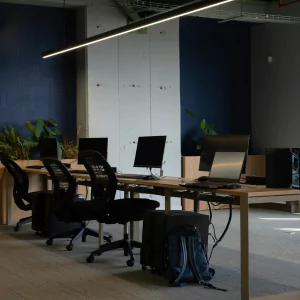
coworking spaces have become innovative work environments that not only promote collaboration and productivity but also contribute to the well-being of our planet. With an increasing focus on sustainability and environmental responsibility, coworking spaces are incorporating eco-friendly practices into their design, operations, and community initiatives.
1. Sustainable design and construction
Green building materials : One of the key elements of sustainable coworking spaces is the use of green building materials. These materials, such as recycled or recycled wood, low-VOC paint, and eco-friendly insulation, minimize environmental impact and promote better indoor air quality. By choosing sustainable materials, coworking spaces reduce the need for finite resources and contribute to the reduction of greenhouse gas emissions associated with traditional building materials.
Energy saving infrastructure
- Energy efficiency is an important aspect of sustainable coworking spaces. These spaces incorporate energy-efficient infrastructure, including LEDs, motion sensors, and smart thermostats, to reduce energy consumption. By adopting these measures, coworking spaces reduce their carbon footprint and contribute to a reduction in total energy demand.
Waste management system
- Effective waste management is essential for a sustainable coworking space. These spaces implement comprehensive waste management systems including recycling stations, composting programs, and initiatives to reduce waste generation. By promoting recycling and composting, coworking spaces divert significant amounts of waste from landfills, reducing environmental impact and conserving resources.

2.Waste reduction and recycling initiative

Composting Program
- coworking spaces have composting programs to divert organic waste from landfills. By collecting leftovers and other organic materials, coworking spaces can turn them into nutrient-rich compost that can be used for gardening or donated to local farms. Composting programs help reduce greenhouse gas emissions from the decomposition of organic waste in landfills and promote sustainable waste management practices.
Recycling Station
- To encourage recycling, coworking spaces provide easily accessible recycling stations throughout their facility. These stations are equipped with separate bins for different types of recyclable materials, such as paper, plastic, glass, and metal. By making recycling convenient and emphasizing proper waste separation, coworking spaces help reduce the amount of recyclable materials that end up in landfills.
Paperless work environment
- coworking spaces are trying to create a paperless work environment by promoting digital workflows and reducing paper consumption. This includes the use of electronic document management systems, online collaboration tools, and digital communication platforms. By taking a paperless approach, coworking spaces help reduce deforestation, conserve resources, and minimize the environmental impact associated with paper production and handling.
3.Measures to save water
Effective plumbing equipment
- Coworking spaces incorporate water-efficient plumbing fixtures, such as slow-flow faucets, toilets, and showers, to minimize water consumption. These devices help reduce water waste without compromising functionality, resulting in significant water savings over time. By implementing efficient plumbing systems, coworking spaces contribute to water conservation efforts and promote responsible water use.
Rainwater collection system
- coworking spaces use stormwater collection systems to collect and store rainwater for various purposes. This harvested water can be used for irrigation, flushing toilets, or other non-potable applications, reducing the need for freshwater resources. The rainwater collection system saves water and contributes to the overall sustainability of the coworking space.

Water recycling and reuse
- To further reduce water consumption, coworking spaces are exploring water recycling and reuse systems. These systems treat and filter wastewater, making it suitable for non-potable uses such as landscape irrigation or toilet flushing. By recycling and reusing water, coworking spaces reduce reliance on freshwater sources and support sustainable water management practices.
4.Environmentally friendly office practice

Energy-saving lighting
- Coworking spaces favor energy-efficient lighting solutions, such as LEDs, to minimize energy consumption. LEDs are very energy efficient, long-lasting, and emit less heat than traditional lighting options. By replacing traditional light bulbs with LEDs, the coworking space significantly reduces energy consumption and contributes to energy-saving efforts.
Smart HVAC System
- Smart HVAC systems (heating, ventilation, and air conditioning) are used in many coworking spaces to optimize energy consumption and indoor comfort. These systems use sensors and automation to adjust temperature and airflow based on capacity and environmental conditions. By providing efficient heating and cooling, smart HVAC systems reduce energy waste and improve overall energy efficiency.
- Practice green hygiene
- To maintain a healthy and environmentally friendly workspace, coworking spaces are adopting green cleaning measures. This involves using eco-friendly cleaning products that are free of harmful chemicals and toxins. Green cleaning practices prioritize the health and well-being of occupants while minimizing negative impacts on the environment.
5.Encourage sustainability among members
Environmental awareness campaign
- Coworking spaces actively raise environmental awareness among members through educational campaigns and initiatives. These campaigns raise awareness of sustainability issues, provide guidance on sustainability practices and encourage members to adopt environmentally responsible behaviors both in coworking spaces and in their personal lives. By fostering a culture of sustainability, coworking spaces inspire positive action for the environment.
Sustainable working practices
- Coworking spaces encourage their members to adopt sustainable working practices. This includes promoting energy-saving habits, reducing waste generation, using eco-friendly office supplies, and making responsible purchasing decisions. By encouraging sustainable work practices, coworking spaces allow their members to have a positive impact on the environment through their daily work habits. Share resources and collaborate
- One of the fundamentals of coworking spaces is resource sharing and collaboration. By promoting a culture of sharing, coworking spaces reduce resource consumption and promote a circular economy. Members can share equipment, tools, and resources, reducing the need for individual ownership and minimizing waste. This collaborative approach promotes sustainability and resource efficiency in the working community.

6.Make a connection with nature
Biological design elements
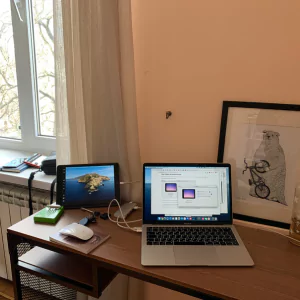
- The coworking space incorporates biophilic design elements to create a connection with nature. Biophilic design incorporates natural elements, such as plants, natural light, and natural materials into the workspace. This design approach has been shown to improve health, reduce stress, and improve productivity. By bringing nature indoors, coworking spaces create a healthier and more inspiring work environment.
Indoor plants and green spaces
- coworking spaces feature indoor plants and green spaces to enhance the aesthetics and health of the workspace. Indoor plants not only improve air quality by filtering pollutants but also contribute to a feeling of peace and connection with nature. Green spaces, such as rooftop gardens or outdoor resting areas, provide opportunities for relaxation and rejuvenation, further promoting members’ well-being.
Access to outdoor space
- Coworking spaces recognize the importance of outdoor spaces for the well-being of members. They provide access to nearby parks, outdoor resting areas, or terraces where members can rest, engage in physical activities or simply enjoy the fresh air. Access to outdoor space promotes a healthier work-life balance and promotes a deeper appreciation of nature.
7.Collaborate and share knowledge for sustainable solutions
Seminars, seminars on sustainable development
- The coworking space hosts workshops, seminars, and educational events with a focus on sustainability. These sessions allow members to learn about sustainability practices, innovative solutions, and emerging trends in environmental management. By facilitating knowledge sharing, coworking spaces enable their members to implement sustainable initiatives and make informed decisions for their businesses.
Connection for green innovation
- Coworking spaces act as hubs for connection and collaboration between like-minded individuals and businesses. They provide a platform for members to connect with professionals, entrepreneurs, and organizations focused on sustainability. Through networking, coworking spaces facilitate the exchange of ideas, expertise, and resources, foster innovation and stimulate the development of green solutions.

Encourage sustainable business practices
- Coworking spaces actively encourage their members to adopt sustainable business practices. This includes promoting responsible supply chain management, supporting local and environmentally responsible suppliers, and integrating sustainability into business strategies. By advocating sustainable business practices and coworking spaces contribute to a greater shift toward eco-friendly entrepreneurship.
8.Positive impact on local communities
Support the local economy
- Coworking spaces play an important role in supporting local economies by providing a platform for local businesses, startups, and freelancers. By fostering collaboration and connecting local entrepreneurs, coworking spaces contribute to economic growth and job creation in their communities. This localized approach reduces the need for long journeys and promotes a more resilient and sustainable economy.
Community Participation and social responsibility
- Coworking spaces prioritize community engagement and social responsibility. They actively participate in local initiatives, charitable activities, and volunteer programs to give back to the community. By engaging in social responsibility, coworking spaces contribute to the well-being of neighboring areas and create a positive social impact.
Partnerships with environmental organizations
- To further amplify their impact, coworking spaces form partnerships with environmental organizations and associations. These partnerships enable collaborative projects, joint initiatives, and shared resources to address larger-scale environmental challenges. By linking up with established environmental organizations, coworking spaces are leveraging their collective power to create meaningful change.
Conclusion
Our coworking space is dedicated to promoting a sustainable and green working environment. We have implemented various initiatives to contribute to the well-being of the planet. Through sustainable design and construction, renewable energy integration, waste reduction and recycling programs, water conservation measures and green office practices, we strive to minimize our environmental footprint. In addition, we actively involve our members in sustainability efforts, promote responsible labor practices, and encourage collaboration towards sustainable solutions.We aim to make a positive impact on the environment and society by connecting with nature and supporting local communities. Together we are building a greener and more sustainable future in coworking spaces.