
Coworking Trends: Evolving Workspaces for Modern Professionals
What are some coworking trends?
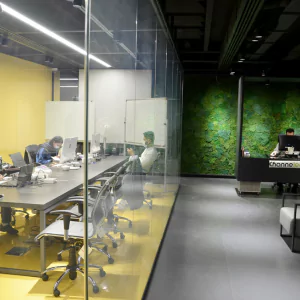
Introduction: Coworking trends are always shifting to accommodate the changing needs of professionals. Hybrid work models, health-centered workplaces, niche-specific coworking for Artists, Designers, and Writers, technology integration in smart offices, and distraction-free private modules and centralised zones are all current trends. These trends influence modern workplaces, promoting productivity, collaboration, and well-being.
The rise of hybrid working: Embracing flexibility in the new normal:The traditional 9:5 office routine is undergoing a significant transformation as businesses adapt to the new normal brought about by the COVID-19 pandemic. One of the most important trends to emerge from this shift is the rise of hybrid work models, which combine telework and in-office time. This flexible approach to work has gained traction as employers and workers realize the many benefits and adaptability of the workforce to changing needs.
Embrace work-life balance : Amidst the ever-evolving coworking trends, working together allows individuals to find a balance between their personal and professional lives. By providing the option to work from home on certain days, employees can better manage their family responsibilities, personal obligations, and other commitments. This improved work-life balance promotes overall happiness and job satisfaction
Increased productivity : Studies have shown that hybrid work patterns can help increase productivity. Working remotely eliminates time-consuming travel and reduces distractions commonly found in traditional office environments. Employees can create personalized workspaces and focus on tasks without interruption, improving efficiency and productivity.
Cost savings : Hybrid working models can provide financial benefits to both employees and employers. Employees save money on travel, meals, and office clothes when working from home. Employers can reduce overall costs by reducing office space, resulting in significant savings in rent, utilities, and maintenance.
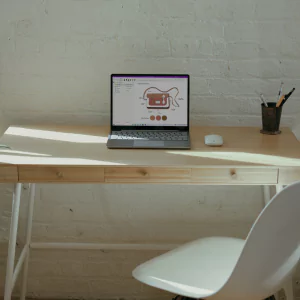
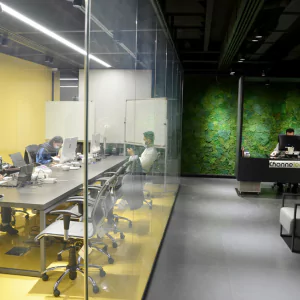
Attracting and Retaining Talent : Amidst the ever-evolving coworking trends, working together allows individuals to find a balance between their personal and professional lives. By providing the option to work from home on certain days, employees can better manage their family responsibilities, personal obligations, and other commitments. This improved work-life balance promotes overall happiness and job satisfaction
Increase workforce diversity : Integrated work models promote diversity and inclusion by providing opportunities for people who may experience geographic limitations or physical disabilities. Remote work options allow companies to tap into talent from different locations, resulting in a more diverse and inclusive workforce.
Business Continuity : The COVID-19 pandemic has served as a wake-up call to the importance of business continuity. Hybrid working models ensure that businesses can continue to operate even during unforeseen circumstances such as natural disasters, health emergencies, or disruptions to transportation systems.
Flexibility to collaborate : Hybrid work models, one of the emerging coworking trends, strike the right balance between remote working and face-to-face collaboration. While working remotely offers flexibility and focused work time, in-office days facilitate face-to-face collaboration, brainstorming, and relationship building among group members. This combination promotes creativity, innovation, and effective teamwork.
Technology and infrastructure : The rise of hybrid working has spurred the adoption of technologies and infrastructures that support collaboration and remote communication. Companies are investing in tools like video conferencing platforms, project management software, and cloud-based systems to enable seamless collaboration, regardless of location.
Office space development : As organizations move towards hybrid work, office spaces are being redesigned to meet the changing needs of employees. The focus is shifting from personal workstations to collaboration spaces, meeting rooms, and areas that encourage social interaction. Office layouts are optimized for flexibility, adaptability, and employee wellness.
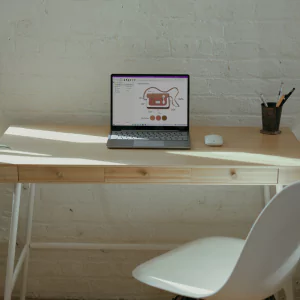
Embrace change and agility : Working together requires organizations to embrace change and adopt an agile mindset. Employers must establish clear policies, communication channels, and performance measurement systems to ensure employees are productive, engaged, and supported, no matter where they work.
Health-centered space: Prioritizing health and wellness in Coworking
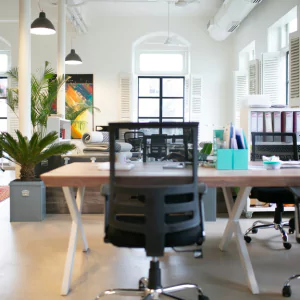
In recent years, coworking trends have highlighted the importance of health and well-being in all aspects of life, including the workplace. Coworking spaces have recognized this trend and are increasingly focusing on creating health-centric environments that prioritize the physical, mental, and emotional well-being of their members. These spaces go beyond traditional office settings by combining various wellness initiatives and amenities to support a healthy and balanced work experience.
Thoughtfully Designed Spaces : Health-focused co-working spaces pay careful attention to their interior design, incorporating elements that promote relaxation, comfort, and a sense of well-being. Natural light, functional furniture, plants, and soothing colors create a positive and uplifting atmosphere that improves productivity and reduces stress.
Fitness and sports facilities : Many health-focused coworking spaces have fitness facilities on their premises. This could be a fully equipped gym, yoga studio, meditation room, or a space dedicated to exercise classes. By providing convenient access to fitness resources, coworking spaces encourage members to prioritize their physical health and exercise regularly.
Mindfulness and mental health support : Recognizing the importance of mental health, wellness-focused coworking spaces, a part of current coworking trends, often feature meditation and mindfulness areas. These spaces allow individuals to take breaks, practice relaxation techniques, or engage in meditation to reduce stress and improve focus. Additionally, some spaces offer mental health resources, such as counseling services or workshops on stress management and resilience.
Healthy snacks and beverages : Health-focused coworking spaces often offer healthy snacks and beverages to their members. Instead of relying on vending machines or unhealthy snacks, these spaces curate nutritious options to promote healthy eating habits. Access to fresh fruit, organic beverages, and healthy snacks will boost members’ overall happiness and energy levels throughout the workday.
Health programs and workshops : Health-focused coworking spaces regularly host health programs and seminars to educate and empower their members. These may include topics such as mindfulness, nutrition, work-life balance, stress management, or personal growth. By offering these programs, coworking spaces help individuals develop healthy habits while gaining the knowledge and skills to improve their overall well-being.
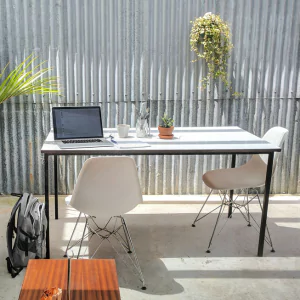
Outdoor space and nature : Connecting with nature has been one of the emerging coworking trends that benefit health, and health-centered co-working spaces understand this. They often have outdoor spaces, such as rooftop gardens, patios, or outdoor communal lounge areas, where members can relax, work, or socialize in nature. These spaces provide opportunities for fresh air, natural light, and a sense of peace, promoting a healthier and more inspiring work environment.”
Healthcare Events and Community Engagement : Active wellness-focused coworking spaces foster a sense of community and participation. They organize wellness events like fitness challenges, group activities, or health-themed networking sessions. These events not only encourage members to prioritize their health but also provide an opportunity to connect, support, and share experiences in the coworking community.
Integrating healthcare technology : Technology can also play a role in promoting wellness in coworking spaces. Some health-focused spaces leverage technology to provide resources like wellness apps, activity trackers, or virtual wellness classrooms. These tools help members track their health goals, access guided meditation sessions, or join virtual fitness classes, regardless of location or work schedule.
Biophilic Design Elements : Biophilic design, incorporating natural elements into interior spaces, is one of the emerging coworking trends, making it a key feature of a health-focused co-working space. Living walls, natural materials, water features, and nature-inspired artwork create a connection with the natural environment and have been shown to improve mood, reduce stress, and boost creativity and productivity..
Support work-life integration : Health-focused coworking spaces understand the importance of work-life integration. They provide amenities and resources that help individuals find work-life balance. This may include on-site childcare facilities, designated quiet areas for focused work, or flexible scheduling options to meet individual obligations.
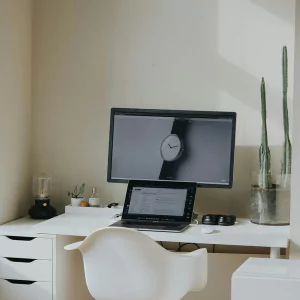
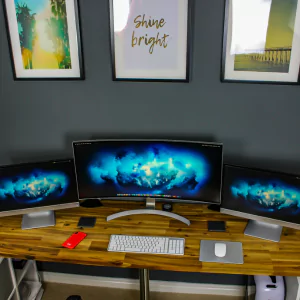
Smart office: Integrating technology to increase productivity
In today’s digital age, technology plays a vital role in optimizing efficiency and productivity in the workplace. Smart offices, also known as digitally connected workspaces, leverage cutting-edge technologies to streamline operations, improve collaboration, and create a productive work environment. and more attractive. By integrating smart devices, automation systems, and data-driven solutions, these modern offices deliver many benefits to businesses and their employees.
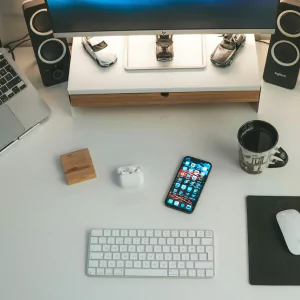
Internet of Things (IoT) connectivity : Coworking trends have embraced the integration of IoT devices to create smart offices, using them to connect disparate objects and systems in the workspace, enabling seamless communication and automation. These devices can include smart thermostats, lighting systems, security cameras, and environmental sensors. With IoT connectivity, coworking spaces can achieve centralized control, energy savings, and data-driven decision-making
Smart automation : Smart office automation systems automate routine tasks and processes, reducing manual labor and freeing up employee time for high-value activities. Smart automation can include features like automatic lighting control, climate control, meeting room scheduling, and digital document management. This streamlines operations and improves overall efficiency.
Smart energy management : Smart offices deploy energy management solutions to optimize energy consumption and minimize costs. Sensors and smart meters monitor and analyze energy consumption, allowing businesses to identify inefficiencies and implement energy-saving measures. Automated lighting and air-conditioning systems ensure efficient and sustainable energy
Collaborative technology : The smart office is one of the emerging coworking trends that leverages collaboration technologies to facilitate communication, collaboration, and knowledge sharing among employees. These may include video conferencing systems, interactive whiteboards, project management tools, and cloud-based document-sharing platforms. These technologies foster real-time collaboration regardless of employee physical location, improving productivity and team cohesion.
Data analytics and insights : Smart Office collects and analyzes data from a variety of sources within the workspace. This data provides valuable insight into employee behavior, workspace usage, and resource allocation. By leveraging this information, companies can make data-driven decisions to optimize workspace design, resource allocation, and employee productivity.
Private modules and centralized zones: Create a distraction-free space
Finding a quiet, concentrated location in today’s fast-paced, open office setting can be difficult. Companies, on the other hand, are increasingly realising the value of providing employees with distraction-free environments where they can focus on work and boost productivity. Private groups and focus areas have arisen as a solution to the problem of creating dedicated spaces that encourage attention, creativity, and distraction-free work.
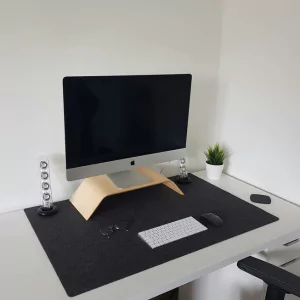
Private Groups : Coworking trends have seen the rise of private groups, which are small enclosed spaces designed to provide individuals with some privacy and seclusion in an office environment. These compartments are equipped with soundproofing, comfortable seating, and often include amenities such as power outlets, adjustable lighting, and integrated work surfaces. Private groups cater to the evolving needs of employees, offering them a secluded space where they can focus on tasks that require intense concentration, hold confidential conversations, or simply have a moment of solitude
Focus zones : Focus zones are designated areas in the office where distractions are minimized and encouraged to focus on work. These zones can be separate rooms, partitioned areas, or even designated quiet time in common areas. Focus areas are designed to create an environment conducive to deep work, allowing employees to immerse themselves in their tasks without interruption or excessive noise.
Soundproofing and soundproofing solutions : To create effective privacy modules and focus areas, it is essential to integrate soundproofing and soundproofing solutions. Soundproof materials, such as soundproof panels, carpets, and curtains, help reduce outside noise and create a quieter atmosphere. Additionally, sound-absorbing materials can be strategically placed in privacy modules and focus areas to minimize echoes and reverberations, further enhancing focus.
Comfortable and ergonomic seating : It is essential to provide comfortable and functional seating options in private and focused areas. Ergonomic chairs and supportive furniture promote good posture and reduce physical discomfort, allowing employees to focus on their work without being distracted by discomfort or seating arrangements.
Sufficient lighting : Adequate lighting is essential to creating a conducive working environment. Concentration and privacy modules should feature adjustable lighting options, allowing individuals to customize lighting to suit their preferences and mission requirements. Natural light should also be considered, as it has been shown to have a positive effect on mood and productivity.
Coworking for Creatives : An Inspiring Environment for Artists, Designers, and Writers
Artists, designers, and writers seek spaces that inspire their creativity, facilitate cooperation, and give a feeling of community in the modern workplace. Traditional office locations frequently fail to suit these specific needs, prompting many creatives to seek out coworking spaces that do. Coworking for creators provides numerous advantages, including access to shared resources, networking possibilities, and a dynamic environment that encourages creativity and artistic expression.
Inspiring workspaces : Creative co-working spaces are designed with aesthetics and creativity in mind. These spaces feature unique interior designs, art deco, and vibrant colors that spark the imagination and foster a creative atmosphere. The holistic environment encourages individuals to unleash their creativity and find inspiration in their surroundings.
Collaboration and networking : Creators thrive on collaborating and exchanging ideas with like-minded people. Coworking spaces allow creators to network, collaborate, and network with other artists, designers, and writers. By sharing workspaces with people from different creative fields, creators can gain new perspectives, find potential collaborators, and spark new ideas.
Shared resources and devices : Creator coworking spaces often offer shared resources and devices that can be expensive or difficult to access individually. These resources may include art supplies, design software, printing media, photographic equipment, and specialized tools. By sharing these resources, advertisers can cut costs, expand their capabilities, and discover new mediums or techniques.
Workshops and skills development : The co-working space dedicated to creators regularly hosts workshops, seminars, and skills development sessions. These events provide an opportunity for creators to improve their skills, learn new techniques, and gain insights from industry experts. Skills development programs can include a variety of areas, such as painting techniques, graphic design software, writing workshops, or marketing strategies for artists.
Community and support : One of the main benefits of coworking for creators is the sense of community and support it provides. Being surrounded by creative colleagues creates a supportive environment where individuals can share experiences, provide feedback, and encourage each other. This sense of belonging makes it possible to combat the isolation that freelancers or those working remotely in creative fields often experience.
Conclusion:In summary, the co-working industry is undergoing dynamic changes and innovation trends to meet the ever-changing needs of modern professionals. With a focus on flexibility, well-being, technology integration, and community building, coworking spaces are reshaping the future of work, providing environments that inspire, foster collaboration, and meet the diverse needs of individuals and businesses.